
மாமரங்கள் பூத்துப் பிஞ்சு பிடிக்கும் காலமிது. இந்தக் கோடை காலத்தின் கொடையான மாம்பழத்தை எமது வீடுகளிலும் மற்றும் தோட்டங்களிலும் புழுத்தாக்கமற்ற முறையில், மாறாத அதே இனிய சுவையுடன் பறிப்பதை எவ்வாறு உறுதிசெய்யலாம் எனப் பார்ப்போம்.
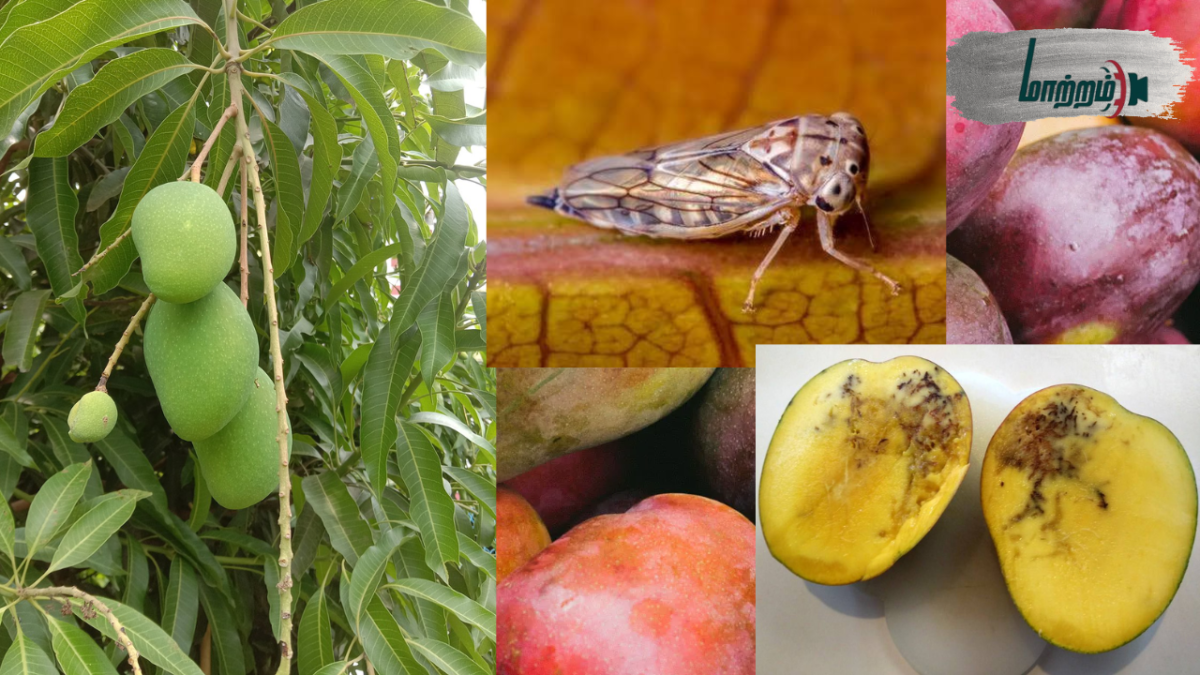
மாவின் பிரதான பீடைகள் முறையே மாவிலைத்தத்தியும், பழ ஈயுமாகும்.
மாவிலைத்தத்தி 🦗🦗🦗
இளம் மரங்கள் இப்பூச்சிகளால் பாதிக்கப்படும்போது, மரங்களின் வளர்ச்சி குறைகிறது.
அதேவேளை முதிர்ந்த மரங்கள் பாதிக்கப்பட்டால், விளைச்சல்
60% அளவுக்கு குறைகிறது என ஆராய்ச்சியாளர்கள் கூறுகின்றனர்.
மேலும் இவை தாக்கிய பழங்களில் கரும்புள்ளிகளாக இரண்டாம் நிலைப் பாதிப்பான அந்த்ரக்நோஸ் எனப்படும் அழுகல் நோய் தொடங்குகிறது.
இந்த மாவிலைத்தத்திகளை இலகுவில் அடையாளம் காண, இப்பூச்சிகளால் சுரக்கப்படும் தேன் போன்ற ஓர் பிசுபிசுப்பான திரவம் இலைகளில் படிந்து கரிய பூஞ்சணங்கள் படிந்திருக்கும். இந்த கரும்படலம் ஒளித்தொகுப்பைக் குறைக்கிறது. இதனால் தாவரத்தின் வலிமை குறைந்து, கடுமையாக பாதிக்கப்பட்ட பகுதிகள் சுருண்டு, உலர்ந்து விழுந்து விடுகின்றன. பூக்கள் கருகி உதிர்தல், காய்ப்புத் திறன் குறைதல் போன்றவை மாவில் இப்பூச்சிகளின் இருக்கைக்கான அறிகுறிகளாகும்.
மேலும், பெரிய அடர்த்தியான மரங்களாயின், மரத்தினைக் கைகளால் தொடும்போது இச்சிறிய பூச்சிகள் கலகலவெனப் பறக்கும்.
இப்பூச்சிகள் சாறு உறிஞ்சும் தன்மையுடையவை. இவை துளைகளை உருவாக்கி பூக்கள், பிஞ்சுகள், இளம் இலைகள், பழங்கள் மற்றும் புதிய கிளைகளின் மென்மையான பகுதிகளில் இருந்து சத்துக்களை உறிஞ்சி, அவற்றில் உலர்தலையும் சுருங்கலையும் ஏற்படுத்துகின்றன.
இப்பூச்சிகளின் பாதிப்பு ஆண்டு முழுவதும் காணப்படும். ஆயினும் பெப்ரவரி முதல் ஏப்ரல் மற்றும் ஜூன் முதல் ஆகஸ்ட் ஆகிய மாதங்களில் இதன் பாதிப்பு அதிகம் காணப்படும்.
பெண் பூச்சிகள் பெப்ரவரி தொடக்கம் மார்ச் மாதங்களில் முட்டையிடுகின்றன. நிழல் மற்றும் அதிக ஈரப்பதம் இதன் இனப்பெருக்கத்திற்கு சாதகமானது. நெருக்கமாக நடப்பட்ட மாந்தோட்டங்களில் இவற்றின் பாதிப்பு அதிகமாக இருக்கும்.
இப் பீடையை முகாமைத்துவம் செய்ய ஒவ்வொரு வருடமும் மழைக்காலம் தொடங்கும்போது மா மரங்களின் மேலே மற்றும் உள்ளே உள்ள நெருக்கமான கிளைகள் அகற்றப்பட்டு, காற்றோட்டமும் சூரிய வெளிச்சமும் மரத்தினுள் ஊடுருவி வர வழிசெய்ய வேண்டும்.
நம் முன்னோர் காலம்காலமாக செய்துவரும் புகையூட்டல் குறிப்பிடத்தக்களவு கட்டுப்படுத்தும் ஓர் முறையாகும். இதில் சிறப்பான ஓர் பக்கவிளைவாக காய்த்தலும் அதிகரிக்கும். ஆயினும் இன்றுள்ள இளம்தலைமுறையினர் இதனைத் தொடர்ச்சியாக ஒவ்வொரு நாளும் செய்து வருவது தற்போதைய வேலைப்பளு மிக்க சூழலில் எல்லோருக்கும் சாத்தியமா என்பதும் ஓர் கேள்விக்குறியாக உள்ளது.
வேப்பெண்ணெய் (3%) அளவில் இரு வாரத்திற்கு ஒருமுறை விசிறுதலும் மாவிலைத்தத்தியை ஓரளவுக்கு (40% – 60%) கட்டுப்படுத்தும் என ஆராய்ச்சியாளர்களால் கூறப்படுகிறது.
பழஈ 🐛🐛🐝
பழஈ, மாங்காயின் தோலைத் துளைத்து முட்டையிடும்.
முட்டையிலிருந்து வெளிவரும் குடம்பி பழத்தின் உள்ளே உள்ள சதைப்பகுதியை உணவாக உட்கொள்ளும். இதனால் பழத்தின் சதைப்பகுதி இனிப்பு குறைந்து நீர்த்தன்மையாக மாறும்.
பழஈயினால் பாதிக்கப்பட்ட காயின் மேற்புறம் கபில நிறமாக காணப்படுவதுடன், காய்கள் விரைவில் அழுகி உதிரும்.
பூச்சியால் பாதிக்கப்பட்ட உதிர்ந்த காய்களை பொறுக்கி அழிப்பதன் மூலமும், இயற்கை பூச்சி விரட்டிகளான கரைசல்கள் மூலமும் முகாமைத்துவம் செய்யலாம்.
🥭🥭
மிகவும் இலகுவான உயிரியல் கட்டுப்பாட்டு முறை மூலம் ஒரே கல்லில் இரண்டு மாங்காய்கள்
🍃🍃
பேவேரியா பசியானா (Beauveria bassiana) எனப்படும் நஞ்சற்ற நுண்ணுயிர் கொல்லியை 15 மில்லி / 1 லீட்டர் நீர் என்ற அளவில் நீரில் கரைத்து இலைகள், பட்டைகள் நனையுமாறு 14 நாட்கள் இடைவெளியில் இருமுறை தெளிக்க, இவ்விரு தாக்கங்களும் நிச்சயம் கட்டுப்படுத்தப்படும்.
இவை ஆதாரபூர்வமாக தென்னிலங்கையிலுள்ள சில பாரிய RJC மாம்பழ ஏற்றுமதி பண்ணைகளில் நடத்தப்பட்ட ஆராய்ச்சிகளின் மூலம் எமது ஆலோசகர்களான நுண்ணுயிரியல் ஆராய்ச்சியாளர்களால் நிரூபிக்கப்பட்டுள்ளது.
ஆகவே மேற்கூறிய முறைகள் மூலம் நஞ்சற்ற, புழுத்தாக்கமற்ற மாம்பழத்தை உயர் விளைச்சலில் எமது வீடுகளில் அறுவடை செய்வதை உறுதிப்படுத்துவோம்.
மேலதிக விபரங்கள்
CSJ Agri
076 225 0017
மேலதிக தகவல்களுக்கு மாற்றம் செய்திகள் இணையத்தளத்தினுள் பிரவேசியுங்கள்.
மேலதிக தகவல்களை உடனுக்குடன் பெற்றுக்கொள்ள மாற்றம் செய்திகள் முகநூல் பக்கத்தை பின்தொடரவும்.