
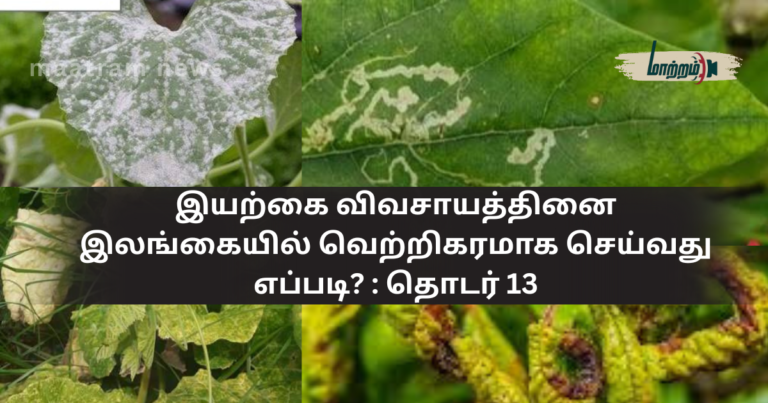
How to Successfully Practice Organic Farming in Sri Lanka? : Part 13 எமது பகுதிகளில் இலையில் ஏற்படும் பொதுவான நோய்களை இனம் காணும் திறனானது, வெற்றிகரமான பயிர்செய்கைக்கு மிகவும் அவசியமானதாகும்.
இலைப்புள்ளி நோய் (படம் 1)
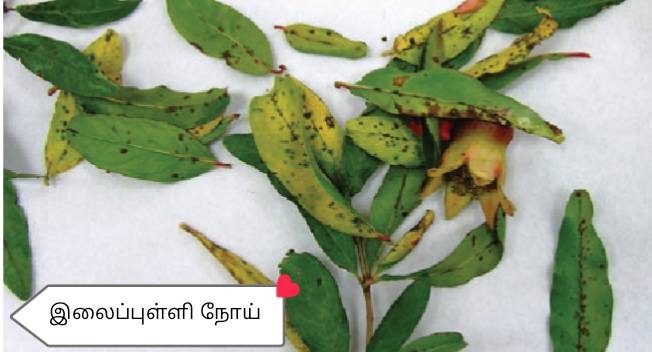
பங்கஸ் அல்லது பக்டீரியாவினால் இலையில் ஏற்படும் கபில நிறப் புள்ளிகளாகும்.
கச்சான், மாதுளை, நெல் போன்ற தாவரங்களின் இலைகளில் பொதுவாக காணப்படும்.
இதனை கட்டுப்படுத்த சூடோமோனஸ் அல்லது ட்ரைக்கடேர்மா அல்லது பேசிலஸ் சப்ட்டில்ஸ் ஆகிய உயிர் பூஞ்சணகொல்லிகளை 250 மில்லி தாங்கிக்கு எனும் அளவில் விசிறும் போது கட்டுப்படும்.
இலை சுரங்கமறுப்பான் (படம் 2)
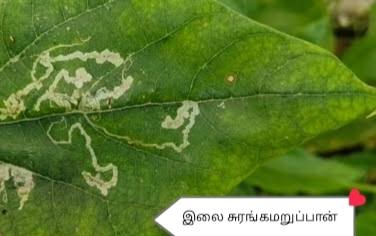
இலையில் ஏற்படும் வெள்ளை நிற கோடுகள் போன்ற இவை ஓர் சிறிய ஈ யினால் ஏற்படுத்தப்படும். இலையினை சுரங்கம் போன்று அறுத்து அச் சுரங்கங்களின் சுவர்களில் இந்த ஈ முட்டையிடும். கூடவே ஈயின் கழிவுகளும் இந்த சுரங்கங்களினுள் இருக்கும். இதனால் இலைகள் உதிரும். விளைச்சல் குறையும்.
தீர்வு:
🌱 ஓட்டும் பொறிகளை ஏக்கருக்கு 8 விகிதம் வைக்க வேண்டும்.
🌱 வேப்பெண்ணெயினை சவர்க்காரத்தில் கரைத்து, 25 மில்லி / தாங்கிக்கு எனும் அளவில் விசிறும்போது ஓரளவுக்கு கட்டுப்படுத்தும்.
🌱 வேர்ட்டிசீலியம் லக்கானி அல்லது பேவேரியா பேசியானா 250 மில்லி / 16 லீட்டர் தாங்கிக்கு எனும் அளவில் விசிறும் போது கட்டுப்படும்.
இலை கருகல் (படம் 3)
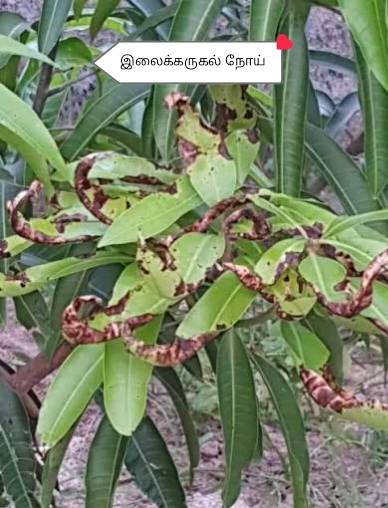
நெல், மரக்கறி மற்றும் மா, கொய்யா போன்ற பயிர்களில் ஏற்படும் இந்த நோய் பக்டீறியா மூலம் ஏற்படும். பொதுவாக மழை நீர் அல்லது பனி நீர் இலைகளின் ஓரங்களில் தொடர்ந்து தேங்குவதால் ஏற்படும்.
இதனை நிவர்த்தி செய்ய
வேப்பம்கொட்டை கரைசல் வாரம் ஒருமுறை தொடர்ந்து விசிறுவது பலனளிக்கும்.
சூடோமோனஸ் நுண்ணுயிர் வாரம் ஒருமுறை 250 மில்லி/ 16 லீட்டர் தாங்கி எனும் அளவில் கலந்து விசிறுவது இதனை கட்டுப்படுத்தும்.
இலையில் மாப்படலம் (படம் 4)

இது தாவரங்களின் இலைகள், தண்டுகள் மற்றும் பூக்களில் வெள்ளை அல்லது சாம்பல் நிறத்தில் மா போன்ற பூஞ்சணப் பூச்சு உருவாவதற்கு காரணமாகும், இது உலர்ந்த, குளிர்ச்சியான காலங்களில் ஏற்படும் ஒரு பொதுவான பூஞ்சண நோயாகும். ( இதனை Mealy bugs எனப்படும் மாப் பூச்சியுடன் குழப்பிக்கொள்ளக் கூடாது.)
சூடோமோனஸ் அல்லது ட்ரைக்கடேர்மா அல்லது பேசிலஸ் சப்ட்டில்ஸ் ஆகிய உயிர் பூஞ்சணகொல்லிகளை 250 மில்லி 16 லீட்டர் தாங்கிக்கு எனும் அளவில் விசிறும் போது கட்டுப்படும்
சித்திர வடிவப் புள்ளி நோய் (படம் 5)

இது பொதுவாக சாறுறிஞ்சும் பூச்சிகளால் ஏற்படும். இப் பூச்சிகள் வைரஸ் காவிகளாகும். வல்லாரை மற்றும் பூசணி குடும்ப தாவரங்களில் பொதுவாக அவதானிக்கலாம். இவற்றை ஆரம்ப நிலையில் கட்டுப்படுத்தாமல் விட்டால் தாவரத்தில் குணப்படுத்த முடியாத வைரஸ் நோய்க்கு வழிகோலும்.
இதனை வேர்ட்டி சீலியம் லக்கானி 250 மில்லி 16 லீட்டர் தாங்கிக்கு எனும் அளவில் வாரம் ஒருமுறை விசிறும் போது நன்கு கட்டுப்படும்.
இலைச்சுருள் (படம் 6)

இது பற்றிய விரிவான விளக்கத்தை ஏற்கெனவே தொடர் 10 இல் தந்துள்ளோம்.
(தொடரும்)
CSJ Agri
09/01/2026
மேலதிக தகவல்களுக்கு மாற்றம் செய்திகள் இணையத்தளத்தினுள் பிரவேசியுங்கள்.
மேலதிக தகவல்களை உடனுக்குடன் பெற்றுக்கொள்ள மாற்றம் செய்திகள் முகநூல் பக்கத்தை பின்தொடரவும்.
How to Successfully Practice Organic Farming in Sri Lanka? : Part 13
Identifying Common Leaf Diseases in Our Region
The ability to identify common leaf diseases in our areas is essential for successful crop cultivation.
Leaf Spot Disease (Figure 1) 🌱🌱🌱
This disease appears as brown-colored spots on leaves caused by fungi or bacteria.
It is commonly observed on the leaves of crops such as chickpea, pomegranate, and paddy.
Control:
Spraying bio-fungicides such as Pseudomonas, Trichoderma, or Bacillus subtilis at a rate of 250 ml per tank helps to control the disease.
Leaf Miner (Figure 2) 🌱🌱🌱
These appear as white, line-like patterns on leaves and are caused by a small fly.
The insect cuts tunnels inside the leaf and lays its eggs along the tunnel walls. The insect’s excreta are also found within these tunnels. As a result, leaves fall off and crop yield decreases.
Control Measures:
🌱 Install sticky traps at a rate of 8 per acre.
🌱 Dissolve neem oil with soap and spray at 25 ml per tank for partial control.
🌱 Spraying Verticillium lecanii or Beauveria bassiana at 250 ml per 16-liter tank effectively controls the pest.
Leaf Blight (Figure 3) 🌱🌱🌱
This bacterial disease affects paddy, vegetables, and fruit crops such as mango and guava.
It commonly occurs when rainwater or dew continuously accumulates along the edges of leaves.
Control:
🌱 Spraying neem seed kernel extract once a week continuously gives good results.
🌱 Spraying Pseudomonas once a week at 250 ml per 16-liter tank helps control the disease.
Powdery Mildew (Figure 4) 🌱🌱🌱
This disease causes a white or grey powdery fungal growth on leaves, stems, and flowers.
It commonly occurs during cool and dry weather conditions.
(This should not be confused with mealybugs.)
Control:
🌱 Spraying bio-fungicides such as Pseudomonas, Trichoderma, or Bacillus subtilis at 250 ml per 16-liter tank helps control the disease.
Mosaic Disease (Figure 5) 🌱🌱🌱
This disease is generally caused by sap-sucking insects, which act as virus vectors.
It is commonly observed in Centella (Gotukola) and cucurbit family crops.
If not controlled at the early stage, it may lead to incurable viral diseases in plants.
Control:
🌱 Spraying Verticillium lecanii at 250 ml per 16-liter tank once a week provides effective control.
Leaf Curl (Figure 6) 🌱🌱🌱
A detailed explanation of this disease has already been provided in Series 10.
(To be continued)
CSJ Agri
09/01/2026