

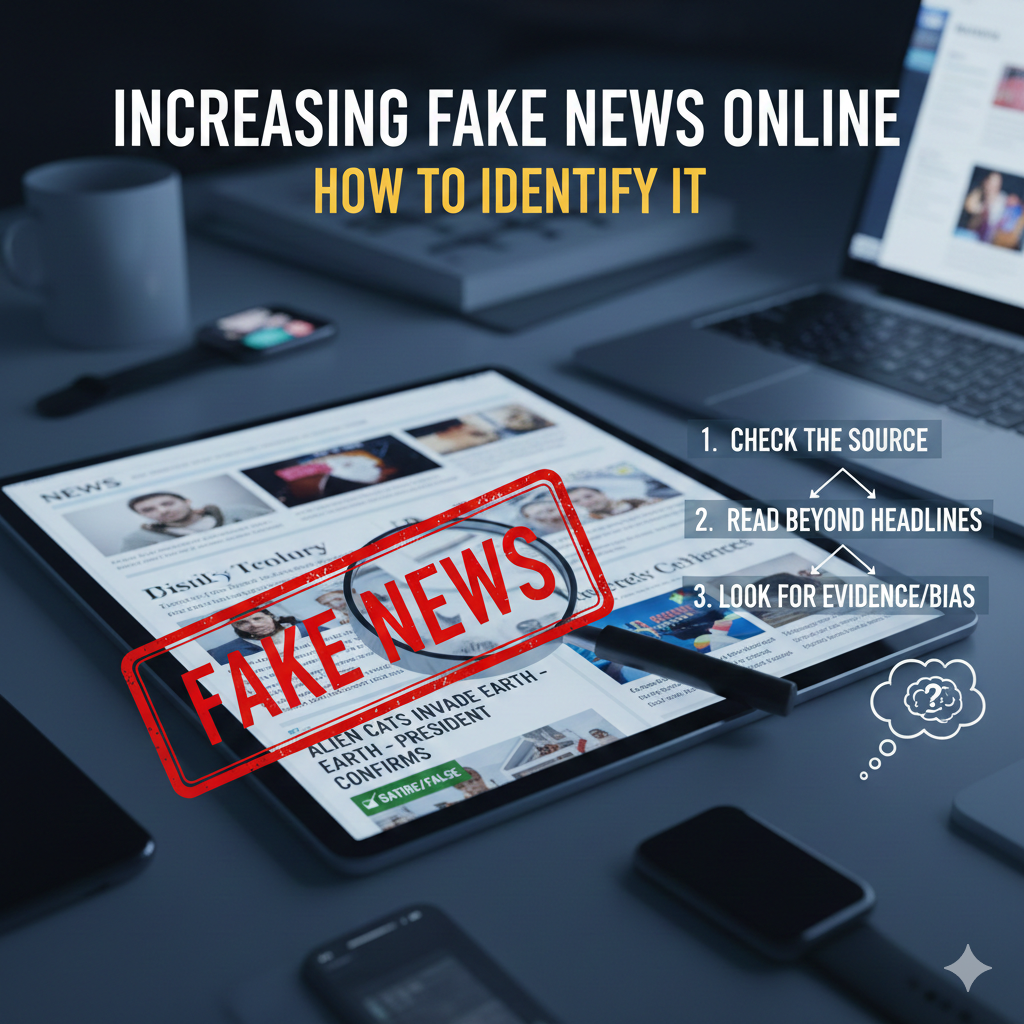
சமூக வலைதளங்களின் பயன்பாடு அதிகரித்துள்ள Increasing Fake News Online இன்றைய காலகட்டத்தில், தகவல்களை உடனுக்குடன் பெறும் வாய்ப்பு மக்களுக்கு கிடைத்துள்ளது. Facebook, WhatsApp, YouTube, X (Twitter) போன்ற தளங்கள் செய்திகளை விரைவாகப் பரப்புவதில் முக்கிய பங்கு வகிக்கின்றன. எனினும், இந்த வசதிகளுடன் சேர்ந்து உண்மை செய்திகளுக்கு இணையாக போலி செய்திகள் (Fake News) வேகமாகப் பரவி வருவது பெரும் சவாலாக உருவெடுத்துள்ளது. குறிப்பாக வானிலை, பொருளாதாரம், சுகாதாரம் மற்றும் அரசியல் தொடர்பான தவறான தகவல்கள் பொதுமக்களை பெரும் குழப்பத்திற்குள் தள்ளுகின்றன.
கடந்த சில ஆண்டுகளில் இயற்கை அனர்த்தங்கள், கடுமையான வானிலை மாற்றங்கள், பொருளாதார நெருக்கடி, தொற்று நோய்கள் போன்ற விடயங்களை மையமாகக் கொண்டு சமூக வலைதளங்களில் பல போலி செய்திகள் பரவியுள்ளன. கனமழை, புயல், சுனாமி எச்சரிக்கை என கூறி பழைய செய்திகளையோ அல்லது ஆதாரமற்ற தகவல்களையோ புதியவை போல பகிர்வதால் மக்கள் தேவையற்ற அச்சத்துக்கு உள்ளாகின்றனர். இதன் காரணமாக அன்றாட வாழ்க்கை பாதிக்கப்படுவதோடு, அதிகாரப்பூர்வ அறிவிப்புகளை நம்ப முடியாத நிலையும் உருவாகிறது.
அதேபோன்று, பொருளாதாரம் தொடர்பான போலி செய்திகள் மக்களிடையே பெரும் பதற்றத்தை ஏற்படுத்துகின்றன. வங்கி மூடப்படும், பணம் எடுக்க முடியாது, அத்தியாவசிய பொருட்களின் விலை திடீரென உயரும் எனக் கூறப்படும் தவறான தகவல்கள் பொதுமக்களை அவசர முடிவுகளுக்குத் தள்ளுகின்றன. இதனால் சந்தையில் தேவையற்ற கூட்ட நெரிசல், பொருட்களை குவித்து வாங்கும் நிலை போன்ற பிரச்சினைகள் உருவாகின்றன.
சுகாதாரத் துறையைப் பொறுத்தவரை, போலி செய்திகள் மிக ஆபத்தான விளைவுகளை ஏற்படுத்துகின்றன. நோய்களுக்கு தவறான சிகிச்சைகள், தடுப்பூசிகள் குறித்து ஆதாரமற்ற குற்றச்சாட்டுகள், மருத்துவர்களின் ஆலோசனை இல்லாமல் செய்யப்படும் செயல்கள் போன்றவை மக்களின் உயிருக்கும் உடல்நலத்துக்கும் நேரடியாக ஆபத்தை விளைவிக்கின்றன. குறிப்பாக சமூக வலைதளங்களில் பரவும் “வீட்டு வைத்தியம்” அல்லது “அதிசய மருந்து” போன்ற செய்திகள் பலரை தவறான பாதைக்கு அழைத்துச் செல்கின்றன.
அரசியல் தொடர்பான போலி செய்திகள் சமூக ஒற்றுமைக்கு பெரும் சவாலாக உள்ளன. தவறான கருத்துகள், திருத்தப்பட்ட படங்கள் மற்றும் வீடியோக்கள், உண்மையற்ற குற்றச்சாட்டுகள் போன்றவை மக்களிடையே தவறான புரிதலையும் விரோதத்தையும் உருவாக்குகின்றன. இதனால் சமூக அமைதி பாதிக்கப்படுவதுடன், ஜனநாயக செயல்முறைகளிலும் தாக்கம் ஏற்படுகிறது.
இத்தகைய சூழலில், சமூக வலைதளங்களில் வரும் ஒவ்வொரு செய்தியையும் உடனடியாக நம்பி பகிராமல், அதன் உண்மைத் தன்மையை சரிபார்ப்பது மிகவும் அவசியமாகியுள்ளது. செய்தியின் மூலம் நம்பகமானதா, அது அதிகாரப்பூர்வ ஊடகங்களில் வெளியிடப்பட்டுள்ளதா, தேதி மற்றும் பின்னணி சரியாக உள்ளதா என்பவற்றை கவனிப்பது பொதுமக்களின் பொறுப்பாகும்.
எனவே, போலி செய்திகளின் தாக்கத்திலிருந்து சமூகத்தை பாதுகாக்க, ஒவ்வொரு குடிமகனும் விழிப்புணர்வுடன் செயல்பட வேண்டும். “பகிரும் முன் சிந்தியுங்கள்” என்ற ஒரே பழக்கம், பல தவறான விளைவுகளைத் தடுக்கும் முக்கியமான ஆயுதமாக இருக்கும் என்பதில் எவ்வித சந்தேகமும் இல்லை.
இணையத்தில் அதிகரிக்கும் போலிச்செய்திகள்: எவ்வாறு இனம் காண்பது? என்பது தொடர்பிலும் போலிச்செய்திகள் தொடர்பிலும் தொடர் கட்டுரை மாற்றம் செய்திகள் இணையத்தளத்தில் வெளிவரவுள்ளது…
journalist
s.showmini
மேலதிக தகவல்களுக்கு மாற்றம் செய்திகள் இணையத்தளத்தினுள் பிரவேசியுங்கள்.
மேலதிக தகவல்களை உடனுக்குடன் பெற்றுக்கொள்ள மாற்றம் செய்திகள் முகநூல் பக்கத்தை பின்தொடரவும்.
Increasing Fake News Online: How to Identify It
In today’s era, where the use of social media has significantly increased, people have easy access to information instantly. Platforms like Facebook, WhatsApp, YouTube, and X (Twitter) play a major role in rapidly disseminating news. However, alongside this convenience, fake news is spreading at an alarming rate, posing a significant challenge. False information related to weather, economy, health, and politics often confuses the public and creates widespread uncertainty.
Over the past few years, numerous fake news stories have circulated on social media, focusing on natural disasters, extreme weather changes, economic crises, and infectious diseases. People are unnecessarily alarmed when old news or unverified information is shared as current events, such as claims about heavy rains, storms, or tsunami warnings. This not only disrupts daily life but also undermines trust in official announcements.
Similarly, fake news related to the economy causes significant stress among people. False claims that banks will close, money cannot be withdrawn, or essential goods’ prices will suddenly rise push the public into hasty decisions. This can lead to unnecessary crowds in markets, panic buying, and shortages of essential items.
In the healthcare sector, fake news can have even more dangerous consequences. Misleading claims about treatments, baseless accusations regarding vaccines, and actions taken without consulting medical professionals pose direct risks to people’s lives and well-being. Social media posts promoting “home remedies” or “miracle cures” often mislead individuals and put them on the wrong path.
Political fake news also poses a serious challenge to social cohesion. Misleading opinions, manipulated images and videos, and false allegations create misunderstandings and conflicts among people. This not only affects social harmony but can also impact democratic processes.
In such a scenario, it is crucial not to blindly trust and share every piece of news on social media. Individuals must verify whether the news source is credible, whether it has been published by official media outlets, and whether the date and context are accurate.
To protect society from the impact of fake news, every citizen must act with awareness and responsibility. The simple habit of “think before you share” can serve as a powerful tool to prevent numerous harmful consequences. There is no doubt that this practice is essential for minimizing the spread and impact of misinformation.