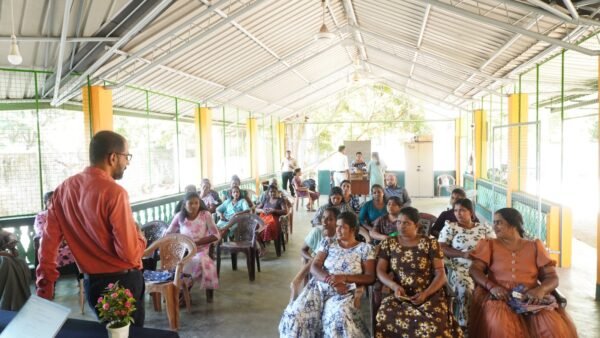


How to Control Rice Ear Bug (Arakotti) and Fruit Fly வட மாகாணத்தில் நஞ்சற்ற முறையில் கிட்டத்தட்ட 150 ஏக்கர் பரப்பளவில் சிறுதானியங்கள் மற்றும் நெல் உற்பத்தி செய்து வரும் இளம் பொறியியலாளர்களால் நிறுவப்பட்ட இயற்கை விவசாய அமைப்பொன்றின் அண்மைய சந்திப்பில், கிளிநொச்சி மற்றும் முல்லைத்தீவு மாவட்டங்களில் தமது நெல் வயல்களில் ஏற்பட்ட கபிலத்தத்தி (அறக்கொட்டி) தாக்கம், கொழும்பிலுள்ள ஓர் ஆராய்ச்சி ஆய்வுகூடத்தில் இருந்து பெறப்பட்ட பேவேரியா பேசியனா (Beauveria bassiana) எனப்படும் நுண்ணுயிர் உரத்தை பயன்படுத்தி, 100% நஞ்சற்ற முறையில் மூன்று தடவைகள் பிரயோகித்து வெற்றிகரமாக கட்டுப்படுத்தப்பட்டதாக தெரிவிக்கப்பட்டுள்ளது.
பேவேரியா பேசியனா என்பது வெண்நிற பூஞ்சணமாகும். இது ஓர் நஞ்சற்ற உயிரி பூச்சிக்கொல்லியாக விவசாயத்தில் முன்னேற்றமடைந்த பல நாடுகளில் (இலங்கை தவிர) அங்கீகரிக்கப்பட்டு பயன்படுத்தப்பட்டு வருகின்றது.
இந்த நுண்ணுயிர் உரம் பொதுவாக அனைத்து துளைக்கும் வண்டுகள், புழுக்கள் மற்றும் குத்தி உறிஞ்சும் பூச்சிகளை கட்டுப்படுத்த பயன்படுகிறது. குறிப்பாக, நெல் இலைச் சுருட்டுப்புழு, வெட்டுக்கிளி, கபிலத்தத்தி, பச்சைத் தத்துப்பூச்சி ஆகியவற்றை கட்டுப்படுத்துகிறது. தக்காளியில் பழத் துளைப்பானை கட்டுப்படுத்துவதற்கும் இது பயன்படுகிறது.
மேலும், மலர்ச் செடிகளில் தோன்றும் பச்சைப் புழு (ஹெலியோதிஸ்) மற்றும் புரடீனியா புழு (ஸ்போடோட்டீரா), அனைத்து காய்ப்புழுக்கள், வெள்ளை வண்டு, கரும்பு தண்டு துளைப்பான், தென்னை காண்டாமிருக வண்டு மற்றும் சிவப்பு வண்டு ஆகியவற்றையும் கட்டுப்படுத்தும் திறன் கொண்டதாக உள்ளது.
கத்தரி, வெண்டி, தக்காளி, மிளகாய், பீன்ஸ், அவரை போன்ற பயிர்களில் தோன்றும் காய்த்துளைப்பான்களுக்கும் இதைப் பயன்படுத்த முடியும். மாமரத்தில் ஏற்படும் கபிலத்தத்தி, புழுக்கள் மற்றும் தேக்கு மரத் துளைப்பான்களையும் இது கட்டுப்படுத்துகிறது.
பேவேரியா பேசியனா நுண்ணுயிரானது, பயிர்களின் இலைகளை உண்ணும் புழுக்களுக்கு எதிராக சிறப்பாக செயல்படுகிறது. இதனை ஏக்கருக்கு இரண்டு லீட்டர் என்ற அளவில் பயன்படுத்த வேண்டும். பொதுவாக 14 நாட்களுக்கு ஒருமுறை பயன்படுத்தப்பட வேண்டும். தாக்கம் அதிகமாக இருப்பின் இரண்டு தடவைகள் பிரயோகிக்கலாம்.
16 லீட்டர் தாங்கிக்கு 300 மில்லி என்ற அளவில் கலக்கப்பட்டு, பயிர்களைத் தாக்கும் பூச்சிகள், வண்டுகள் மற்றும் புழுக்களின் மேல் நேரடியாக தெளிக்கப்படுகிறது. மூன்று முதல் ஆறு நாட்களுக்குள் (சூழல் வெப்பநிலையைப் பொறுத்து) White Muscardine Disease எனப்படும் நோயை உருவாக்கி, பூச்சிகளை செயலிழக்கச் செய்து அழிக்கிறது. இதனால் அழிக்கப்பட்ட பூச்சிகளை நுண்ணோக்கியில் பார்வையிடும் போது அவை வெண்மையாக ஒளிர்வது காணப்படும்.
இலங்கையில் இதனை தனிப்பட்ட முறையில் பயன்படுத்தி பயனடைந்த விவசாயிகளின் அனுபவங்களும் பதிவு செய்யப்பட்டுள்ளன.
வவுனியா, கிளிநொச்சி, முல்லைத்தீவு மற்றும் யாழ்ப்பாணம் ஆகிய பகுதிகளில் உள்ள சில இயற்கை விவசாயிகள், கடந்த சில வருடங்களாக நெல் வயல்களில் கபிலத்தத்திகளை கட்டுப்படுத்த இரண்டு அல்லது மூன்று தடவைகள் இதனைப் பயன்படுத்தி வெற்றிபெற்றுள்ளதாக தெரிவித்துள்ளனர். அதேபோல் மட்டக்களப்பு, அக்கரைப்பற்று, அட்டாளைச்சேனை மற்றும் சம்மாந்துறை பகுதிகளிலும் நெல் வயல்களில் இதனைப் பயன்படுத்தி அண்மைக் காலங்களில் வெற்றிகரமாக கட்டுப்படுத்திய அனுபவங்கள் பகிரப்பட்டுள்ளன.
மகா ஓயா, பதியதலாவ மற்றும் மகியங்கனை பகுதிகளில் உள்ள சோளம் தோட்டங்களில் தனிப்பட்ட பரிசோதனை முறையில் செடிகளின் குருத்தில் தெளிக்கப்பட்ட போது, படைப்புழுவுக்கு எதிரான நல்ல பலன் கிடைத்துள்ளது. இது தொடர்பான தகவல்கள் CSJ Agri முகநூல் பக்கத்தில் ஏற்கனவே பதிவிடப்பட்டுள்ளன.
வாகரை, கிராந்துருகோட்டை மற்றும் மகா ஓயா பகுதிகளில் இரசாயன நஞ்சு பயன்படுத்தப்படாத தென்னை தோட்டங்களில், குருத்து வழியாக செலுத்தப்பட்ட போது சிவப்பு வண்டு மற்றும் காண்டாமிருக வண்டுகள் சிறப்பாக கட்டுப்படுத்தப்பட்டதாக தோட்ட உரிமையாளர்கள் தெரிவித்துள்ளனர்.
மேலும், நுவரெலியா மாவட்டத்தில் நஞ்சற்ற இயற்கை மரக்கறிகளை மத்திய கிழக்கு நாடுகள் மற்றும் மாலத்தீவுகளுக்கு ஏற்றுமதி செய்யும் நிறுவனங்களின் தோட்டங்களில், பூச்சி மற்றும் வண்டுகளை கட்டுப்படுத்த பேவேரியா பேசியனா பயன்படுத்தப்பட்டு, சலாது இலைகள் 99% வெற்றியுடன் விளைவிக்கப்படுகின்றன.
உள்ளூர் மரக்கறி மற்றும் கீரை செய்கைகளிலும், பழ ஈ, கீரை உண்ணும் வண்டுகள், வெண்டி காய் துளைப்பான், மிளகாய் மற்றும் வல்லாரையில் சாறு உறிஞ்சும் நுண் பூச்சிகள் ஆகியவை நஞ்சற்ற சூழலில் பேவேரியாவைப் பயன்படுத்தி வெற்றிகரமாக கட்டுப்படுத்தப்பட்டுள்ளன.
இவை இயற்கை விவசாயத்தில் நஞ்சற்ற இயற்கை பூச்சிக்கொல்லியாக ஐரோப்பிய நாடுகளால் அங்கீகரிக்கப்பட்டுள்ளன. இந்திய சந்தைகளிலும் இவை பரவலாகக் கிடைப்பதுடன், அங்குள்ள இயற்கை விவசாயிகளால் வெற்றிகரமாக பயன்படுத்தப்பட்டு வருகின்றன.
இலங்கையிலும், அரசாங்கம் இரசாயன நஞ்சு உற்பத்தி மற்றும் இறக்குமதி செய்யும் வர்த்தக அழுத்தங்களுக்கு அடிபணியாது, இவற்றை விரைவில் அங்கீகரித்தால், நஞ்சற்ற விவசாயம் அடுத்த கட்டத்துக்கு உயர்ந்து, நஞ்சு விவசாயத்துடன் போட்டியிட்டு, நஞ்சற்ற விளைபொருட்களின் விலையை குறைத்து, ஏழை மக்களுக்கும் நஞ்சற்ற உணவு சென்றடைய வழிவகுக்கும் என எதிர்பார்க்கப்படுகிறது.
மேலதிக விபரங்களுக்கு:
CSJ Agri
📞 076 225 0017
மேலதிக தகவல்களுக்கு மாற்றம் செய்திகள் இணையத்தளத்தினுள் பிரவேசியுங்கள்.
மேலதிக தகவல்களை உடனுக்குடன் பெற்றுக்கொள்ள மாற்றம் செய்திகள் முகநூல் பக்கத்தை பின்தொடரவும்.
How to Control Rice Ear Bug (Arakotti) and Fruit Fly
At a recent meeting of an organic farming organization established by young engineers—who cultivate minor grains and paddy over nearly 150 acres in the Northern Province using toxin-free methods—it was revealed that infestations of the rice ear bug (Kapilathathi / Arakotti) in paddy fields in the Kilinochchi and Mullaitivu districts were successfully controlled in a 100% non-toxic manner through three applications of a microbial fertilizer known as Beauveria bassiana, obtained from a research laboratory in Colombo.
Beauveria bassiana is a white fungus. It is a non-toxic biological pesticide that has been approved and widely used in many agriculturally advanced countries (except Sri Lanka).
This microbial agent is generally effective in controlling all kinds of boring insects, caterpillars, and piercing–sucking pests. Specifically, it controls rice leaf folder, grasshoppers, rice ear bug, green leafhopper, and fruit borers in tomato crops.
In addition, it is effective against green caterpillars (Heliothis) and Prodenia caterpillars (Spodoptera) found in flowering plants, all types of pod borers, white grubs, sugarcane stem borers, coconut rhinoceros beetle, and red palm weevil.
It can also be used to control pod borers in crops such as brinjal, okra, tomato, chili, beans, and long beans. It is effective against rice ear bug and caterpillars in mango, as well as teak stem borers.
Beauveria bassiana is especially effective against leaf-eating caterpillars. The recommended dosage is 2 liters per acre. Generally, it should be applied once every 14 days; if the infestation is severe, it can be applied twice.
A mixture of 300 ml per 16-liter sprayer should be prepared and sprayed directly onto the insects, beetles, and caterpillars attacking the crops. Within three to six days (depending on environmental temperature), it causes a disease known as White Muscardine Disease, rendering the pests inactive and killing them. Insects destroyed by this method appear white and shiny when observed under a microscope.
In Sri Lanka, experiences of farmers who have personally used this method and benefited from it have also been documented.
Some organic farmers in Vavuniya, Kilinochchi, Mullaitivu, and Jaffna have shared their experiences of successfully controlling rice ear bug in paddy fields by applying Beauveria bassiana two or three times over the past few years. Similarly, organic farmers in Batticaloa, Akkaraipattu, Addalaichenai, and Sammanthurai have also recently controlled rice ear bug infestations successfully using this method.
In maize fields in the Maha Oya, Padiyathalawa, and Mahiyanganaya areas, experimental application of this agent through the plant whorl showed good results against fall armyworm. Details of these trials have already been shared on the CSJ Agri Facebook page.
In coconut plantations in Vakarai, Granthuru Kotte, and Maha Oya—where chemical pesticides are not used—application through the crown successfully controlled red palm weevil and rhinoceros beetle, according to plantation owners.
Furthermore, in farms exporting toxin-free organic vegetables from the Nuwara Eliya district to Middle Eastern countries and the Maldives, Beauveria bassiana is used to control insects and beetles, achieving a 99% success rate in lettuce leaf production.
In local vegetable and leafy green cultivation, fruit fly infestation, leaf-eating beetles, okra pod borer, and sap-sucking pests in chili and centella (gotu kola) have been successfully controlled in non-toxic environments using Beauveria bassiana.
This microbial agent is recognized by European countries as a non-toxic biological pesticide in organic farming. It is also widely and easily available in Indian markets and is being successfully used by organic farmers there.
If the Sri Lankan government, without yielding to commercial pressures from chemical pesticide manufacturers and importers, approves this method promptly, it would elevate non-toxic agriculture to the next level, enable healthy competition with chemical farming, reduce the prices of toxin-free produce, and ensure access to safe food for low-income communities.
For further information:
CSJ Agri
📞 076 225 0017