


Stephen William Hawking ஸ்டீபன் வில்லியம் ஹாக்கிங் (Stephen William Hawking, ஜனவரி 8, 1942 – மார்ச் 14, 2018) உலக அறிவியல் வரலாற்றில் அழிக்க முடியாத தடம் பதித்த ஆங்கிலேய கோட்பாட்டு அறிவியலாளரும், அண்டவியலாளரும், சிறந்த நூலாசிரியரும் ஆவார். மனித அறிவின் எல்லைகளை விரிவுபடுத்திய மிக முக்கியமான சிந்தனையாளர்களில் ஒருவராக அவர் கருதப்படுகிறார்.
கேம்பிரிட்ஜ் பல்கலைக்கழகத்தின் கோட்பாட்டு அண்டவியல் மையத்தின் இயக்குநராகப் பணியாற்றிய ஹாக்கிங், உரோசர் பென்ரோசுடன் இணைந்து பொதுச் சார்புக் கோட்பாட்டில் புவியீர்ப்பு அருநிலைத் தேற்றங்களை நிறுவினார். மேலும், “ஆக்கிங் கதிரியக்கம்” என அழைக்கப்படும் கருந்துளைகள் கதிர்வீச்சை உமிழும் என்ற கோட்பாட்டை முன்வைத்ததன் மூலம், கருந்துளைகள் பற்றிய மனிதரின் புரிதலை புதிய நிலைக்கு உயர்த்தினார்.
அண்டவியலை விளக்க பொதுச் சார்புக் கோட்பாடு மற்றும் குவாண்டம் இயங்கியலை ஒருங்கிணைத்து ஒரு கோட்பாட்டை உருவாக்க முயன்ற முதன்மை அறிவியலாளர்களில் ஒருவராகவும் ஹாக்கிங் திகழ்ந்தார். குவாண்டம் இயங்கியலின் “பல-உலகங்கள்” விளக்கத்திற்கு அவர் தீவிர ஆதரவாளராக இருந்ததும் குறிப்பிடத்தக்கது.
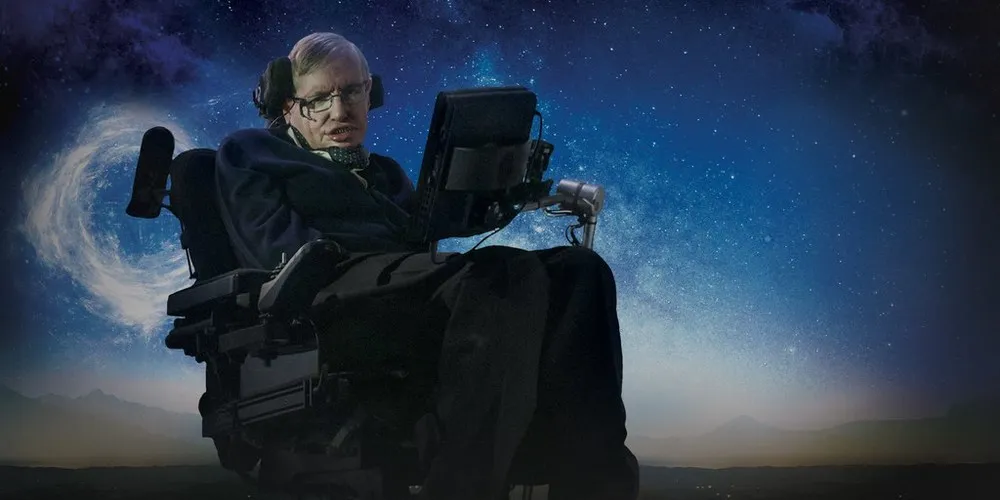
அறிவியல் ஆராய்ச்சிகளுக்குப் புறம்பாக, பொதுமக்களுக்கும் அறிவியலை எளிமையாக கொண்டு செல்ல வேண்டும் என்ற நோக்கில் ஹாக்கிங் பல நூல்களை எழுதியுள்ளார். அறிவியற் சமன்பாடுகளைத் தவிர்த்து, சாதாரண மனிதர்களும் புரிந்து கொள்ளும் வகையில் எழுதப்பட்ட அவரது நூல்கள் உலகம் முழுவதும் பெரும் வரவேற்பைப் பெற்றன. A Brief History of Time (காலம் – ஒரு வரலாற்றுச் சுருக்கம்) என்ற அவரது நூல், இங்கிலாந்தில் இருந்து வெளிவரும் Sunday Times இதழில் 237 வாரங்கள் தொடர்ந்து இடம்பெற்று சாதனை புரிந்தது.
1979 முதல் 2009 வரை கேம்பிரிட்ஜ் பல்கலைக்கழகத்தில் கணிதவியல் பேராசிரியராகப் பணியாற்றிய அவர், அறிவியலாளராக மட்டுமன்றி சிறந்த பொதுத் தொடர்பாளராகவும் விளங்கினார். அவரது அறிவியல் பங்களிப்புகளுக்காக, அமெரிக்காவின் உயரிய குடிமகன் விருதைப் பெற்றதுடன், 2002 ஆம் ஆண்டு BBC நடத்திய “பிரித்தானியாவின் 100 பெரும் புள்ளிகள்” பட்டியலில் 25வது இடத்திற்குத் தேர்ந்தெடுக்கப்பட்டார்.
ஹாக்கிங்கின் வாழ்க்கையை மேலும் வலுவாக ஆக்குவது, அவர் எதிர்கொண்ட உடல் சவால்களே. 21 வயதிலேயே, தசையூட்டமற்ற பக்க மரப்பு நோய் (Motor Neuron Disease / ALS) தாக்கியதால், படிப்படியாக உடல் இயக்கங்களையும் பேச்சுத் திறனையும் இழந்தார். இருப்பினும், கணினி வழிப் பேச்சுத் தொகுப்பி மூலம் பிறருடன் தொடர்பு கொண்டு, அறிவியல் ஆராய்ச்சிகளிலும் எழுத்துத்துறையிலும் தொடர்ந்து ஈடுபட்டு வந்தார். உடல் வரம்புகள் மனித அறிவுக்கு தடையல்ல என்பதற்கு ஹாக்கிங் வாழ்ந்த காலமே சாட்சியாகும்.
1986 ஆம் ஆண்டு, அமெரிக்காவின் அனென்பெர்க் அறக்கட்டளை, இயற்பியல் மற்றும் கணிதத்தை மாணவர்களுக்கு எளிய முறையில் புதிய கோணத்தில் விளக்குபவர்களுக்கு 6 மில்லியன் டாலர் பரிசு வழங்குவதாக அறிவித்தது. அந்தச் சவாலை ஏற்று, ஸ்டீபன் ஹாக்கிங் அரை மணி நேரத்திற்கு ஒரு காட்சி விளக்கம் என்ற வகையில் 26 மணி நேரம் ஓடக்கூடிய “காலம் – ஒரு வரலாற்றுச் சுருக்கம்” என்ற பாடத்திட்டத்தை உருவாக்கி பரிசைப் பெற்றார். இந்தச் சிறந்த படைப்பு, 2000 ஆம் ஆண்டு உலகத் தமிழ் மொழி அறக்கட்டளையின் முயற்சியால், ஒரு கோடி ரூபாய் செலவில் தமிழில் மொழிபெயர்க்கப்பட்டது என்பது தமிழர்களுக்கு பெருமை அளிக்கும் செய்தியாகும்.
அறிவியலாளர், எழுத்தாளர், சிந்தனையாளர், ஊக்கமளிக்கும் மனிதர் என பல பரிமாணங்களில் விளங்கிய ஸ்டீபன் ஹாக்கிங், 2018 மார்ச் 14 அன்று தனது 76வது வயதில் மறைந்தார்.
மேலதிக தகவல்களுக்கு மாற்றம் செய்திகள் இணையத்தளத்தினுள் பிரவேசியுங்கள்.
மேலதிக தகவல்களை உடனுக்குடன் பெற்றுக்கொள்ள மாற்றம் செய்திகள் முகநூல் பக்கத்தை பின்தொடரவும்.
Stephen William Hawking
Stephen William Hawking (January 8, 1942 – March 14, 2018) was a renowned English theoretical physicist, cosmologist, and distinguished author who left an indelible mark on the history of world science. He is regarded as one of the most influential thinkers who expanded the boundaries of human knowledge.
Hawking served as the Director of the Centre for Theoretical Cosmology at the University of Cambridge. Along with Roger Penrose, he established gravitational singularity theorems within the framework of general relativity. Furthermore, by proposing the theory that black holes emit radiation—now known as Hawking Radiation—he elevated human understanding of black holes to a new level.
He was also one of the pioneering scientists who attempted to develop a unified theory by combining general relativity and quantum mechanics to explain cosmology. Notably, he was a strong supporter of the “many-worlds” interpretation of quantum mechanics.
Beyond scientific research, Hawking authored several books with the aim of making science accessible to the general public. Written without complex mathematical equations and in a language easily understood by ordinary readers, his books received widespread global recognition. His book A Brief History of Time was featured on the Sunday Times bestseller list for 237 consecutive weeks, achieving a remarkable milestone.
From 1979 to 2009, he served as a Professor of Mathematics at the University of Cambridge. In addition to being a scientist, he was an exceptional science communicator. In recognition of his contributions, he received one of the highest civilian honors of the United States. In 2002, he was ranked 25th in the BBC’s list of the “100 Greatest Britons.”
What made Hawking’s life even more extraordinary were the physical challenges he faced. At the age of 21, he was diagnosed with Motor Neuron Disease (ALS), which gradually led to the loss of movement in his limbs and eventually his ability to speak. Despite this, he continued his scientific research and writing, communicating with others through a computer-based speech synthesizer. His life stands as powerful evidence that physical limitations are no barrier to human intellect.
In 1986, the Annenberg Foundation in the United States announced a prize of 6 million dollars for those who could present physics and mathematics to students in a simple and innovative manner. Accepting this challenge, Stephen Hawking created an educational program titled A Brief History of Time, consisting of 26 hours of visual lectures, each lasting half an hour, and won the prize. This outstanding work was translated into Tamil in the year 2000 by the World Tamil Language Foundation at a cost of ten million rupees, a matter of great pride for the Tamil community.
A scientist, writer, thinker, and source of inspiration in many dimensions, Stephen Hawking passed away on March 14, 2018, at the age of 76.